
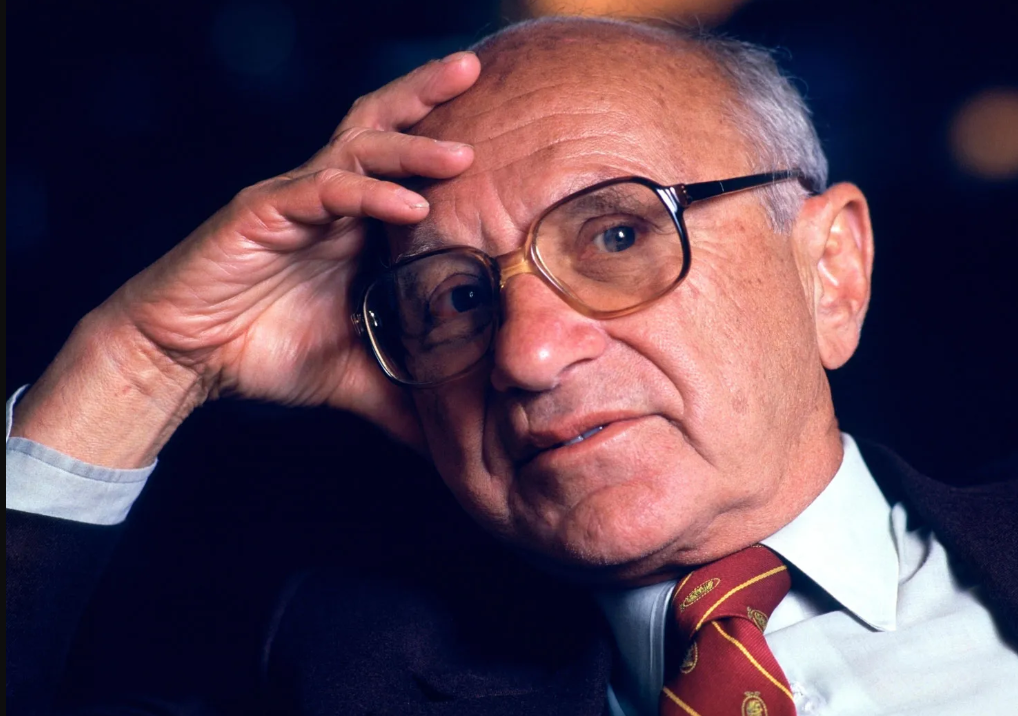
The three men I admire most in my tribe are Friedrich August Hayek, Milton Friedman and James McGill Buchanan. All three were awarded the Nobel prize in economics: Hayek in 1974, Friedman in 1976, and Buchanan in 1986.
Though I never had the good fortune to meet any of them, I am lucky enough to have learned from their wisdom, humanity and scholarship through their books, papers, lectures and interviews. Being able to appreciate their insights is definitely what I like about being an economist. I am proud to belong to that tribe.
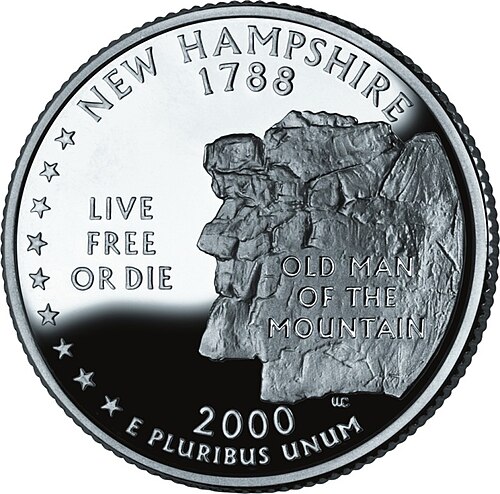 It is because of them that I learned the value of liberty. Freedom matters not just for its instrumental role in producing material prosperity but also because being free is what being human is about. One can exist in comfort but still be subject to the will of others. Live free or die.
That is the state motto of New Hampshire. The source is believed to be Patrick Henry’s 1775 March speech in which he said, “Is life so dear, or peace so sweet, as to be purchased at the price of chains and slavery? Forbid it, Almighty God! I know not what course others may take; but as for me, give me liberty or give me death!”
A few years ago I had made serious plans to move to New Hampshire from Delaware but thanks to the evil Dr Fauci and his Chinese virus, that did not materialize. Continue reading “Milton Friedman on Responsibility”
 “And the main, most serious problem of social order and progress is . . . the problem of having the rules obeyed, or preventing cheating. As far as I can see there is no intellectual solution of that problem. No social machinery of “sanctions” will keep the game from breaking up in a quarrel, or a fight (the game of being a society can rarely just dissolve!) unless the participants have an irrational preference to having it go on even when they seem individually to get the worst of it. Or else the society must be maintained by force, from without — for a dictator is not a member of the society he rules — and then it is questionable whether it can be called a society in the moral sense.”
 Atanu Dey : Life is a Random Draw