
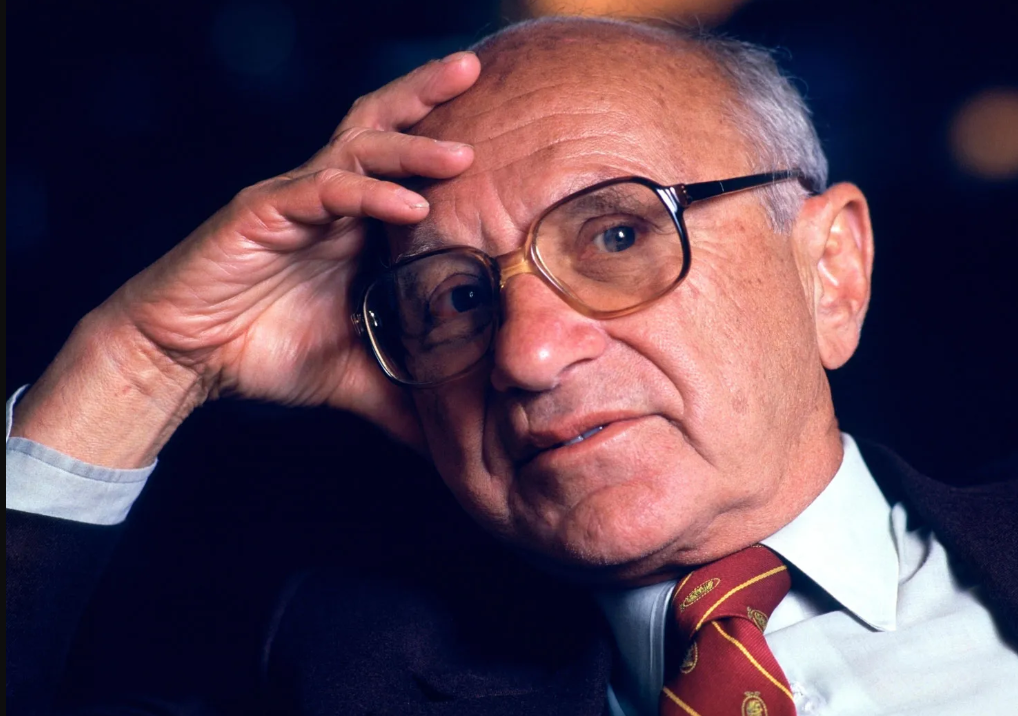
The three men I admire most in my tribe are Friedrich August Hayek, Milton Friedman and James McGill Buchanan. All three were awarded the Nobel prize in economics: Hayek in 1974, Friedman in 1976, and Buchanan in 1986.
Though I never had the good fortune to meet any of them, I am lucky enough to have learned from their wisdom, humanity and scholarship through their books, papers, lectures and interviews. Being able to appreciate their insights is definitely what I like about being an economist. I am proud to belong to that tribe.
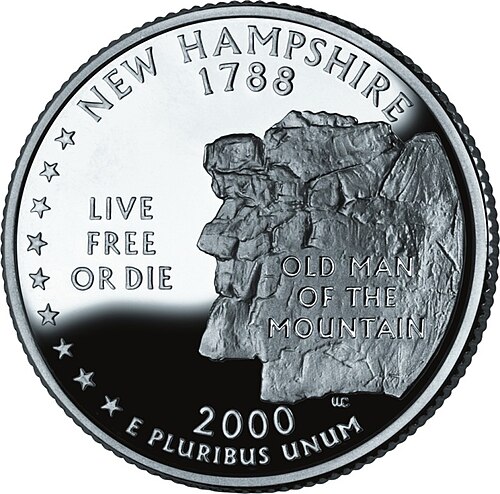 It is because of them that I learned the value of liberty. Freedom matters not just for its instrumental role in producing material prosperity but also because being free is what being human is about. One can exist in comfort but still be subject to the will of others. Live free or die.
That is the state motto of New Hampshire. The source is believed to be Patrick Henry’s 1775 March speech in which he said, “Is life so dear, or peace so sweet, as to be purchased at the price of chains and slavery? Forbid it, Almighty God! I know not what course others may take; but as for me, give me liberty or give me death!”
A few years ago I had made serious plans to move to New Hampshire from Delaware but thanks to the evil Dr Fauci and his Chinese virus, that did not materialize.
Hayek was an old-world liberal. So am I, an old-world liberal. Hayek wrote, “Liberty is essential in order to leave room for the unenforceable and the unpredictable; we want it because we have learned to expect from it the opportunity of realizing many of our aims.”
What sorts of aims? Health, wealth and happiness, perhaps. But much more than that. Buchanan saw another more fundamental value of liberty. He wrote:
Man wants liberty to become the man he wants to become. He does so precisely because he does not know what man he will want to become in time. Let us remove once and for all the instrumental defense of liberty, the only one that can possibly be derived directly from orthodox economic analysis. Man does not want liberty in order to maximize his utility, or that of the society of which he is a part. He wants liberty to become the man he wants to become.
In that aspect, I find echoes of the Buddha’s conception of human freedom: for attaining liberation or moksha in Sanskrit.
While Hayek and Buchanan were economists’ economist, Friedman was definitely a non-economists’ economist. Thank goodness for that. Friedman guided a lot of young people to become economists. He was patient and good natured. He nearly always had an indulgent smile on his face. Watch.
That’s a brief excerpt from the series Free to Choose. “The Role of Government in a Free Society.”
Alright, let’s listen to a bit of Wolfie’s music. I like his Fantasia in D Minor K 397. Of the many available on YouTube, I liked Natalie Schwamova’s performance.
Thank you, goodnight and may your god’s love go with you.
(Mozart’s middle name—Amadeus—means “beloved of god.”)


