
 The human body (the same goes approximately for most other animals) is composed of 65% oxygen, 18.5% carbon, and 9.5% hydrogen by mass. Although hydrogen is less than 10% of the mass, 62% of the number of atoms in the human body is hydrogen because it is the lightest element in the periodic table of elements.
Most of the hydrogen and oxygen goes into the water that is the primary building blocks of all cells. How much of the human body is water depends on the age and gender of the person. Infants are 75% water, children 65%, adult males 60%, and adult females 55%. Infants are cute, and they are mostly water. Coincidence? I think not. We were all infants once and we like water. Continue reading “CO2”

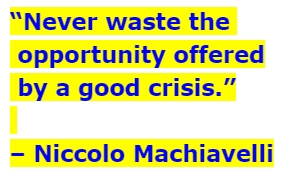 On a mailing list I was on someone asked if “this crisis going to increase Government role in society? That would be a terrible outcome!” That was back in April. My reply was the following. I am posting it here, for the record. It’s been four months since I wrote that, and unfortunately the government response has been as I had feared. [Begin quote]:


 I am sad to learn that
  Atanu Dey : Life is a Random Draw