 Today is Diwali, the biggest festival in much of India.
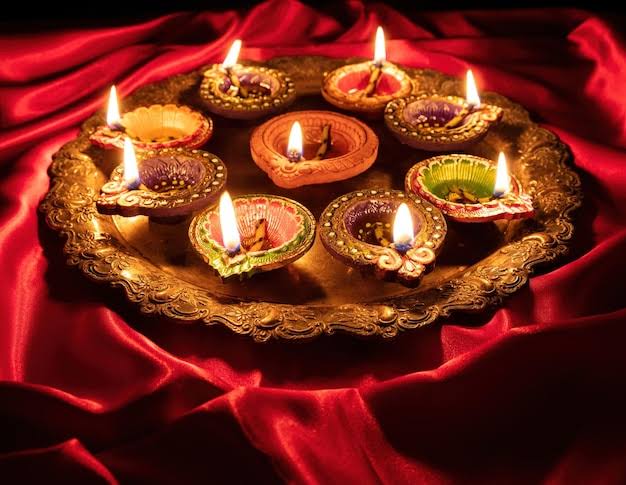
Diwali (from the Sanskrit dīpāvalī, “row of lights”) signifies the victory of light over darkness, knowledge over ignorance, and good over evil.
It is celebrated with fireworks, feasts, and family gatherings. It also carries distinct philosophical, mythological, and historical meanings across traditions.
At its philosophical core, Diwali draws directly from the Upanishadic invocation Tamaso mā jyotir gamaya (“Lead me from darkness to light”). Light connotes knowledge (Jnana). Darkness represents avidya (ignorance, delusion, and ego), while the flame represents awakened self-awareness and truth. The Diya (earthen lamps) is a metaphor for the human body, the oil or ghee as worldly attachments and desires, and the wick as the intellect. When the intellect is ignited by knowledge, worldly desires burn away, radiating clarity.
Different regions anchor the festival in distinct cultural narratives. In northern India it is a return to righteousness. Diwali marks the return of Rama, Sita, and Lakshmana to Ayodhya after 14 years of exile and the vanquishing of Ravana. The entire city was lit up with clay lamps on the dark new-moon night (Amavasya).
In southern India it is a celebration of liberation from tyranny. Krishna and Satyabhama defeated the demon king Narakasura.
In eastern India, Diwali is the destruction of the ego. In Bengal, Odisha, and Assam, the night of Amavasya is dedicated to Kali Puja, venerating Goddess Kali to dissolve attachments, time, and spiritual ignorance. More about Kali below.
In western India across commercial communities, Diwali marks the start of the financial year. They celebrate commerce and Subh Labh. Those are two auspicious Sanskrit words: Shubh (auspiciousness) and Labh (gain). Subh Labh warms an economist’s heart like no other phrase.
Subh and Labh are also the names of Ganesha’s two sons, traditionally written at home or business entrances with the swastika symbol to invite prosperity and positive energy. They invoke Lakshmi (wealth, well-being) alongside Ganesha (wisdom, removal of obstacles).
Diwali is also celebrated by another dharmic tradition. For Jains, it marks the anniversary of Bhagwan Mahavira’s final liberation (moksha) from the cycle of rebirth in 527 BCE. The lighting of lamps honors the permanent light of his teachings.
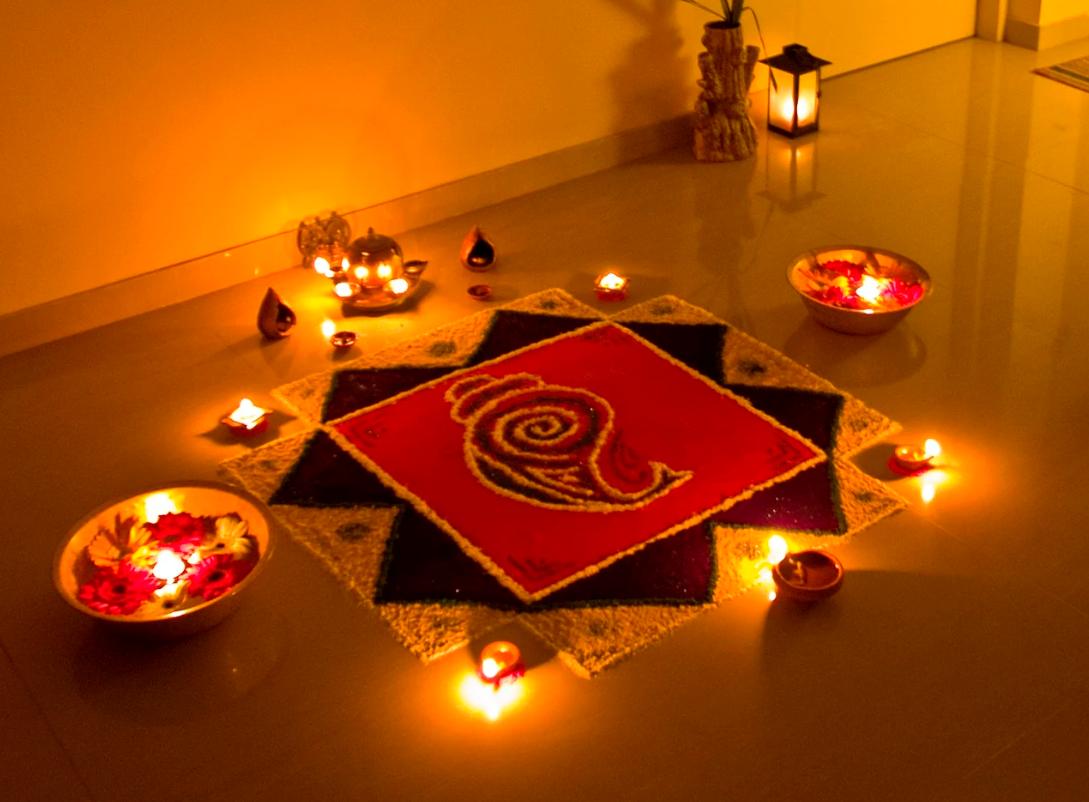 This is the day we Bengalis worship Maa Kali. Kali puja is second only to our Durga puja (which was a few weeks ago, which we simply call pujo.) I will write a post on who Kali is. For now, I’d like to wish you all a lovely Diwali. May the Diwali lamps illuminate your life, and may Devi Lakshmi bring prosperity into your home.
Music time. Carnatic music time. Here’s young violinist Ganga Sasidharan’s rendition of a devotional composition, “Krishna Nee Begane Baro.”
Let’s pair that with a very brief Hindustani bit. Garaj Garaj. A bandish in raag Megh Malhar in ektaal beat. The composer is Shankar Ehsaan Loy and played on the sitar by the brilliant Purbayan Chatterjee.
Enjoy this Diwali day!


