
 The Seen and the Unseen
Every action has not one but many effects; of these many effects, only some — perhaps one — are intended, and others are unintended; some of the many effects are beneficial and others are harmful; some are immediate, and others delayed; some are foreseen and others not; some are known and others unknown; some are evident and others not. The world is complicated because things are connected and interrelated, and what happens in one part affects other parts, and all sorts of things are happening all the time and therefore it is hard to fully understand the consequences of any large-scale intervention.
The world in which actions have only intended, beneficial, immediate, foreseen, known and evident effects is not the world we live in. In our world, actions also have effects that are unintended, harmful, delayed, unforeseen, unknown and concealed. What does that imply, though? Should one do nothing in the face of uncertainty and risk? No. It means that one should have the humility to not presume to know what’s best for the world and be very hesitant to command others to do one’s bidding. Continue reading “A Most Expensive Hoax”
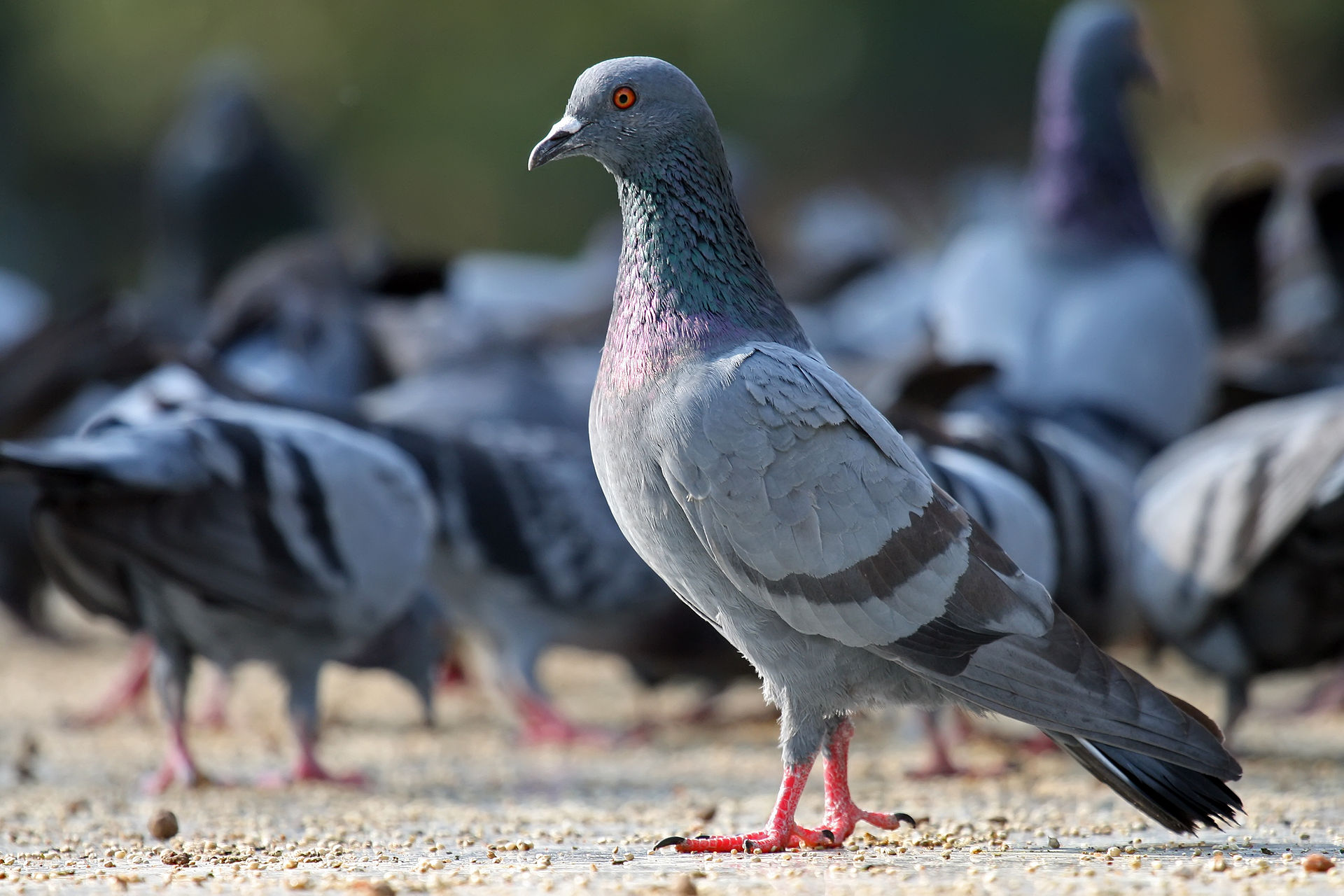 I am always struck by the variations in human capacities. We humans are strikingly unequally endowed in physical and mental capabilities. Non-human animals of a particular species are generally very similar. For instance, individual members of the species

 Today, November 14th in India, is Diwali, or Deepaval. Diwali is a pretty big deal all across India and even outside India. Here’s what the all-knowing wiki says about this Indian festival (edted):

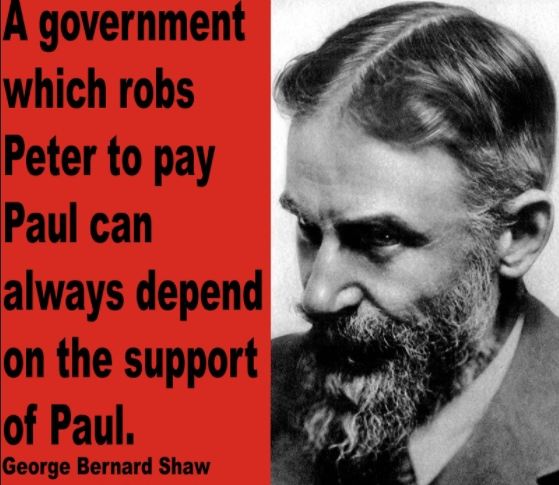 In an essay titled “Sham Battle” published in October 1936 in the Baltimore Evening Sun, H. L. Mencken enunciated a truth that is one of the core axioms of public choice theory. That axiom is the homely truth that politicians are people just like the rest of us. Homely truths, as Mark Twain recognized, are unpalatable. But they are true nonetheless.
 To me it appears to be true that servitude of the masses have to be largely voluntary because the serfs always outnumber the masters. Two quotes on servitude follow but first a bonus quote from Ayn Rand.

 There are a couple of things I find remarkable about US elections. First, the date of practically all elections is fixed and therefore predictable. Every year, all elections at all levels of government — city, county, state and federal — are held on the Tuesday following the first Monday of November. If the first Monday of November falls on the 1st, then election is on Nov 2nd — the earliest possible date; and the lastest possible date will be Nov 8th. That happens every year, and every four years, it is a presidential election year. That too is totally predictable.
 Today it’s Sharad Purnima, a Hindu tradition. It is a harvest festival that is celebrated on the full moon day of the lunar month of Ashvin. It’s also called Kojagiri Purnima. It’s the birthday of Devi Lakshmi, and she is worshipped on this day. Also worshipped are Indra, and Shiva and Parvati. Lots of worshipping going on among Hindus.


