

Inflation is defined as the increase in the general price level, not the price of any particular item. The opposite of inflation is deflation: a general decline in price level. There are various statistical measures that indicate whether an economy is suffering (that’s the right word) inflation or deflation.
Price indices measure how the price level changes with time. I learned about them in grad school: Laspeyres, Paasche, Marshall-Edgeworth, and Fisher price indices.
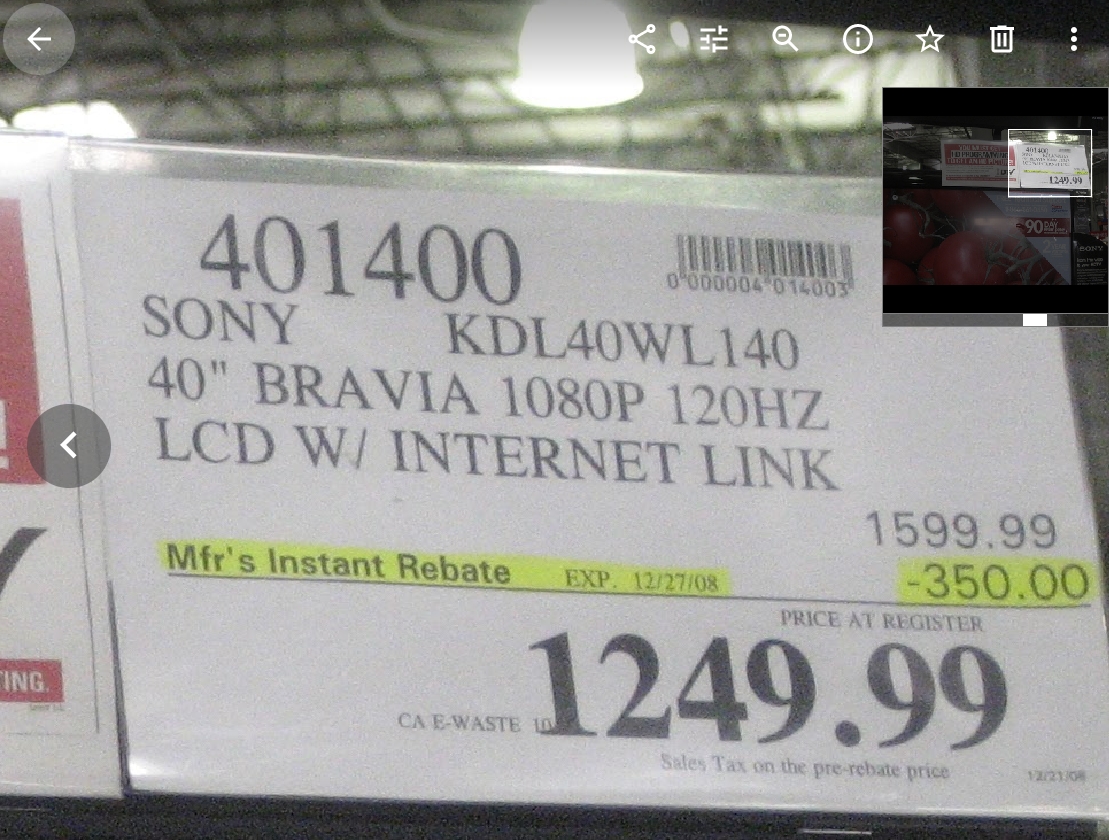
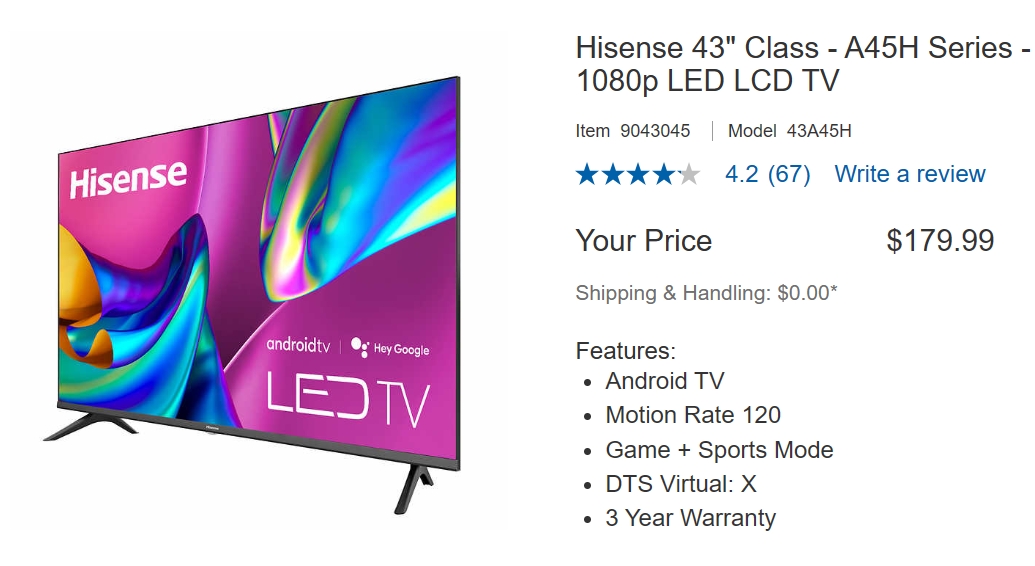
We all know intuitively that inflation is not good for us because we have to pay more out of pocket for the same stuff we bought before. We also know that when the price of an item goes down, it is good for us. For example, today we can buy a lot more smartphone for $200 than we could 10 years ago. So then wouldn’t it be great if all prices were to fall (like they do in electronics as Moore’s “law” predicted)? Continue reading “Is Deflation Bad?”




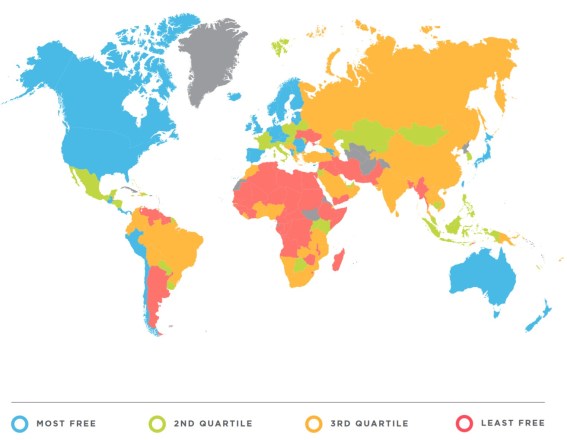 The Economic Freedom of the World Annual Report 2022, published by the Fraser Institute, is available for
  Often used interchangeably, the three concepts — cost, price, and value — are related but distinct. They are elementary and understanding them precisely is essential for reasoning about our world of production, exchange and consumption. People, including yours truly before learning economics, don’t even realize that they are confused about those simple concepts.
 Atanu Dey : Life is a Random Draw