
 I love quotes. I have a very large collection of quotes, some of which I have even published in The Big Page of Quotations on this blog. It’s a work in progress and I update that page intermittently. Here I present to you a few quotes that I had tweeted.
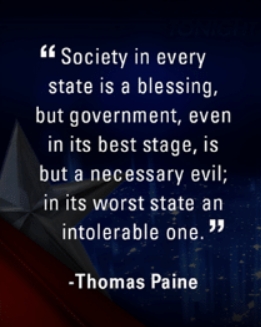
I think the popular belief is that governments are like doctors with respect to economies; doctors heal the sick but are not responsible for the disease, and governments can fix the economy but are not responsible for the economic problems. But governments are not like doctors at all; they cause the economic diseases nations suffer, and their interventions actually make things worse.
It’s like the practise of blood-letting by doctors before the advent of modern medical practices — all it did was only to make the patient sicker. Buddha’s injunction was “First do no harm.” That applies to us all, and especially so when it comes to those in government. The recent indiscriminate Covid-19 lockdowns by governments is the 21st century equivalent of blood-letting. Continue reading “Ask me anything — the quotes edition”
 Of all the American holidays I like Thanksgiving the best. For starters, it’s a secular holiday. Secular in the true sense of the term — not religious — and not in the way that secular is understood in India where it means “not Hindu.” In India, Islamic or Christian is secular but Hindu is not secular. In India, Diwali is not secular but Christmas is secular. But in the US, Christmas is not secular but Thanksgiving is secular. That is an important distinction.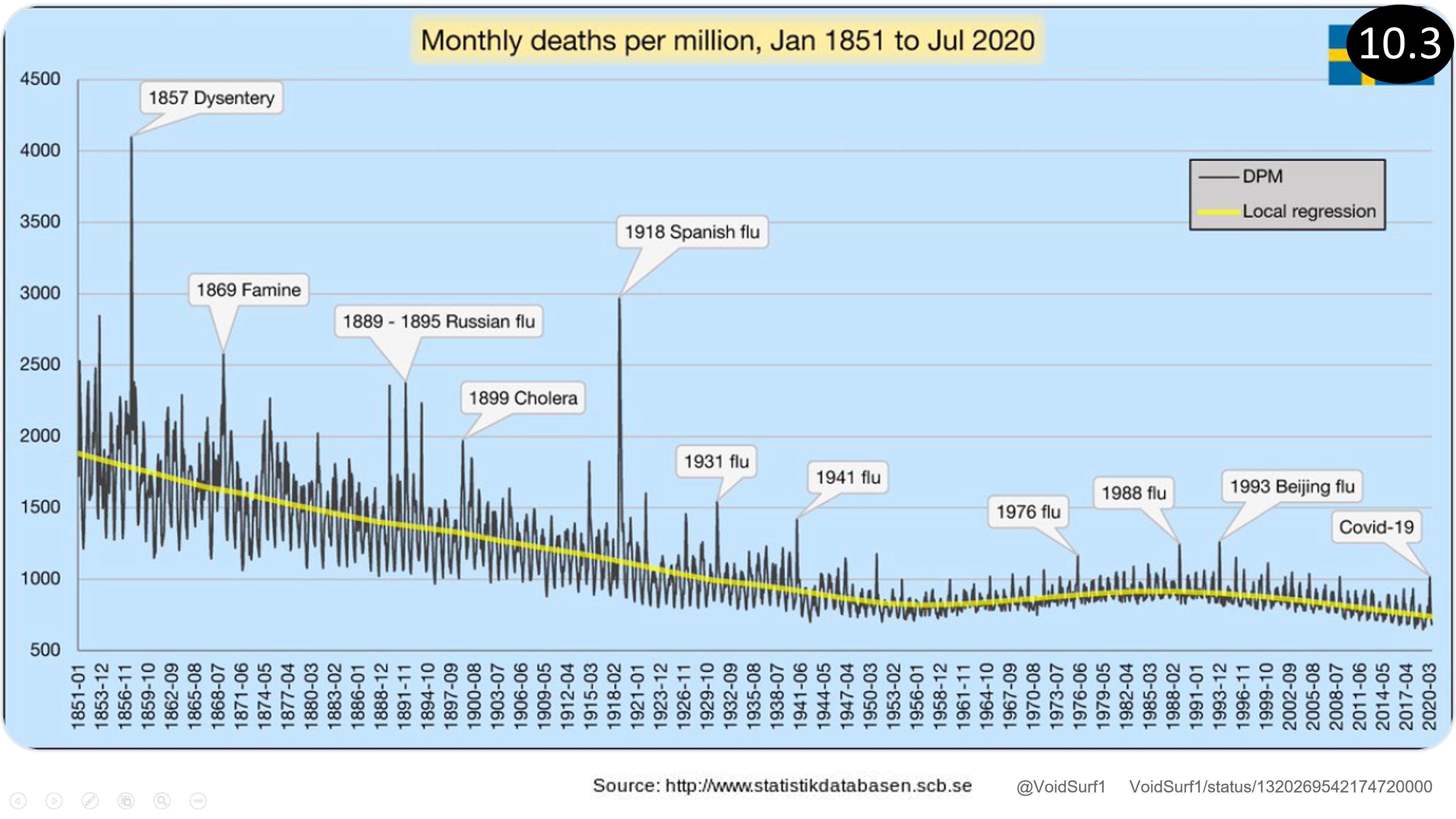
 The Seen and the Unseen
 I am always struck by the variations in human capacities. We humans are strikingly unequally endowed in physical and mental capabilities. Non-human animals of a particular species are generally very similar. For instance, individual members of the species
 Today, November 14th in India, is Diwali, or Deepaval. Diwali is a pretty big deal all across India and even outside India. Here’s what the all-knowing wiki says about this Indian festival (edted):
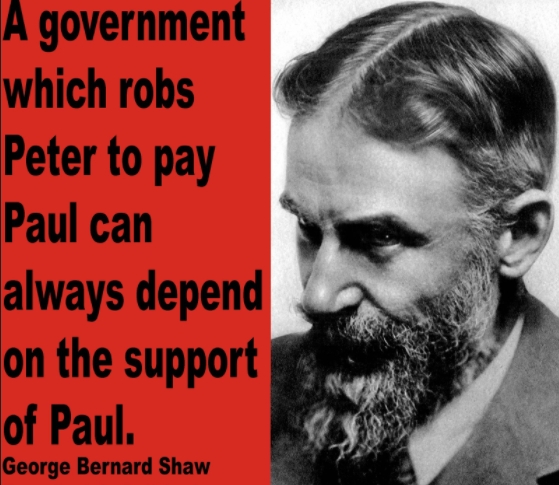 In an essay titled “Sham Battle” published in October 1936 in the Baltimore Evening Sun, H. L. Mencken enunciated a truth that is one of the core axioms of public choice theory. That axiom is the homely truth that politicians are people just like the rest of us. Homely truths, as Mark Twain recognized, are unpalatable. But they are true nonetheless.
 To me it appears to be true that servitude of the masses have to be largely voluntary because the serfs always outnumber the masters. Two quotes on servitude follow but first a bonus quote from Ayn Rand.
 Atanu Dey : Life is a Random Draw