
 The question is this. What specific policy change would meet the following criteria:
- It would immediately start the process of unshackling the Indian economy (or even any backward economy) and put it on a path to reaching its potential
- It would not involve any public expenditure (that is, it would not impose a burden on public finances)
- It would be popular with the public (meaning it would be not opposed by any significant segment of the population) almost immediately
- It would not involve the development of any new technologies
- It would not be adopted by any politician, political party or the government (because it would hurt their narrow, financial interests)
 Look here, now, I don’t have all day to sit around writing stuff on this blog, ok. 😉 So here’s what I’m going to do. Haul stuff out of the archive. Good stuff, mind you. Check out
 The human body (the same goes approximately for most other animals) is composed of 65% oxygen, 18.5% carbon, and 9.5% hydrogen by mass. Although hydrogen is less than 10% of the mass, 62% of the number of atoms in the human body is hydrogen because it is the lightest element in the periodic table of elements.
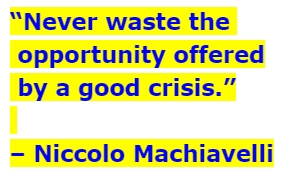 On a mailing list I was on someone asked if “this crisis going to increase Government role in society? That would be a terrible outcome!” That was back in April. My reply was the following. I am posting it here, for the record. It’s been four months since I wrote that, and unfortunately the government response has been as I had feared. [Begin quote]:


 Atanu Dey : Life is a Random Draw