

How long is the platinum-iridium bar that served as the world’s SI based unit of length, the meter, from 1889 to 1960? It was held at 0 degrees Celsius at the International Bureau of Weights and Measures near Paris, France. That platinum-iridium bar is now preserved as an artifact at the bureau near Paris, France.
About it, in Philosophical Investigations §50, Ludwig Wittgenstein wrote: “There is one thing of which one can say neither that it is one metre long, nor that it is not one metre long, and that is the standard metre in Paris. But this is, of course, not to ascribe any extraordinary property to it, but only to mark its peculiar role in the language-game of measuring with a metre-rule.”
Wittgenstein’s remark relates to the grammatical game we play when we measure something. The bar in Paris was not an object we discovered to be exactly one meter long. It was the thing that gave meaning to “one meter long” to begin with. The question of how long that bar is cannot be answered by measurement. The bar simply occupies the role of a paradigm or a sample. Continue reading “How Long is a Meter?”



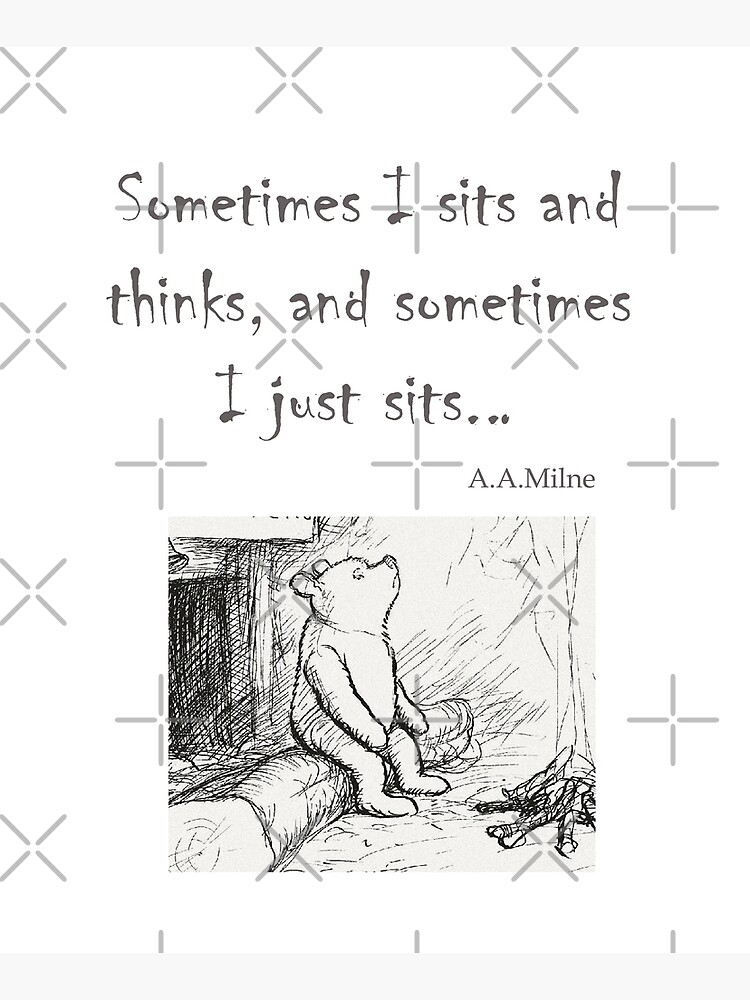 I recently came across a quote on the web that “many of the best investors in the world are really good at doing nothing for long periods of time.”
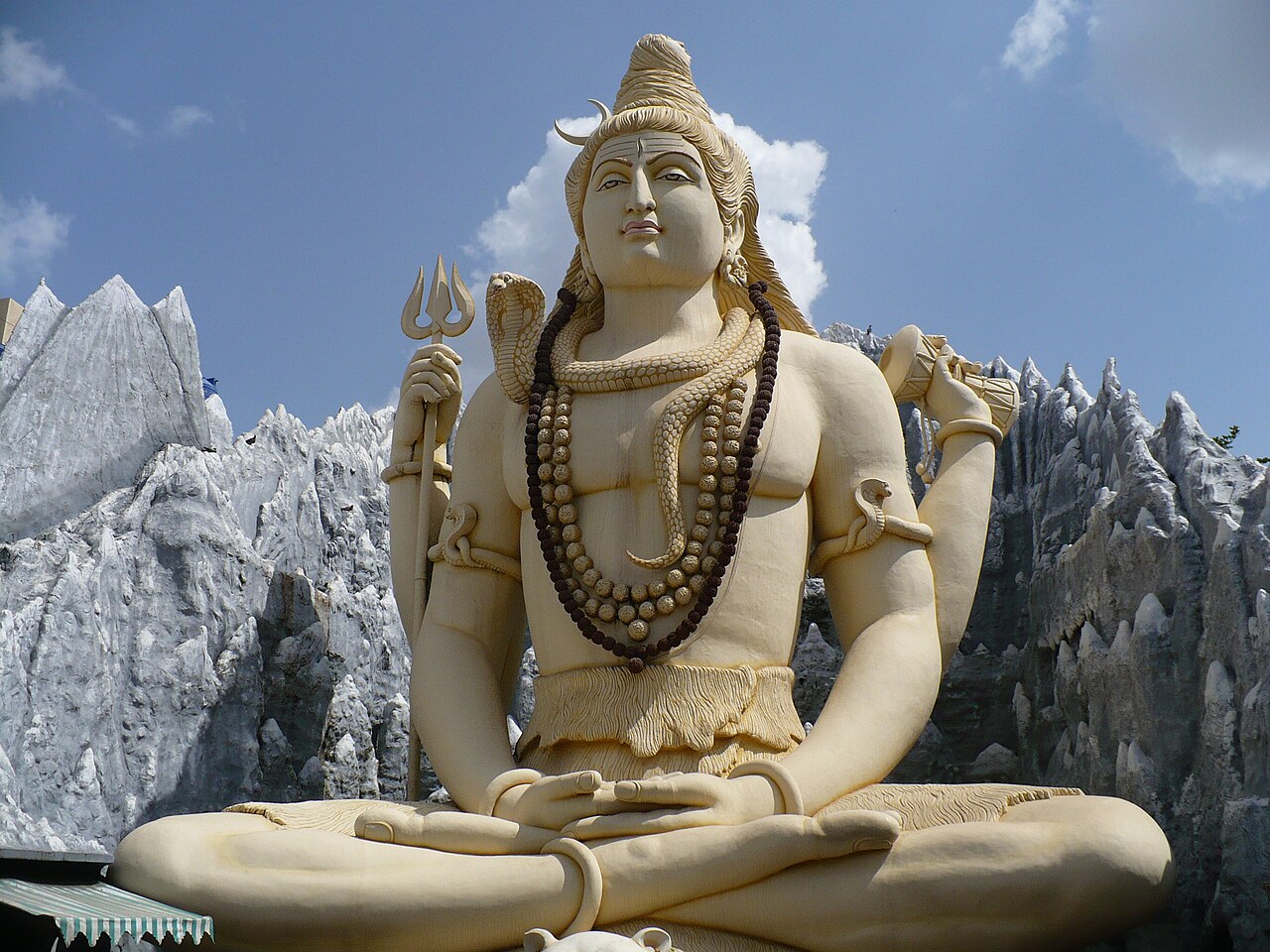
 I Grew Up Clueless
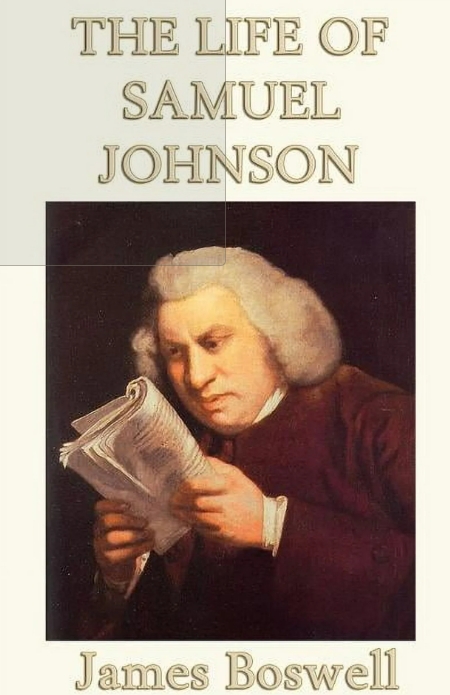 Decades ago when I was in high school, I came across a Samuel Johnson quote: “Knowledge is of two kinds. We know a subject ourselves, or we know where we can find information upon it.”
 Atanu Dey : Life is a Random Draw