
 It’s been a while since the last AMA post. Actually, I’ve been hugely distracted with the presidential race. I end up spending inordinate amounts of time on X and on YouTube.
And on top of that, I am easily distracted. If I see an interesting book, it immediately goes on my reading list. When comes time to get some work done, I decide to just dip into the pile of books just for a few minutes, and the next thing I know is that I’ve spent hours reading.
But that has its rewards. I learn stuff. Learning stuff is joy. Here’s something I enjoyed.
 (As always, click on the image above for an expanded view in a new tab.)
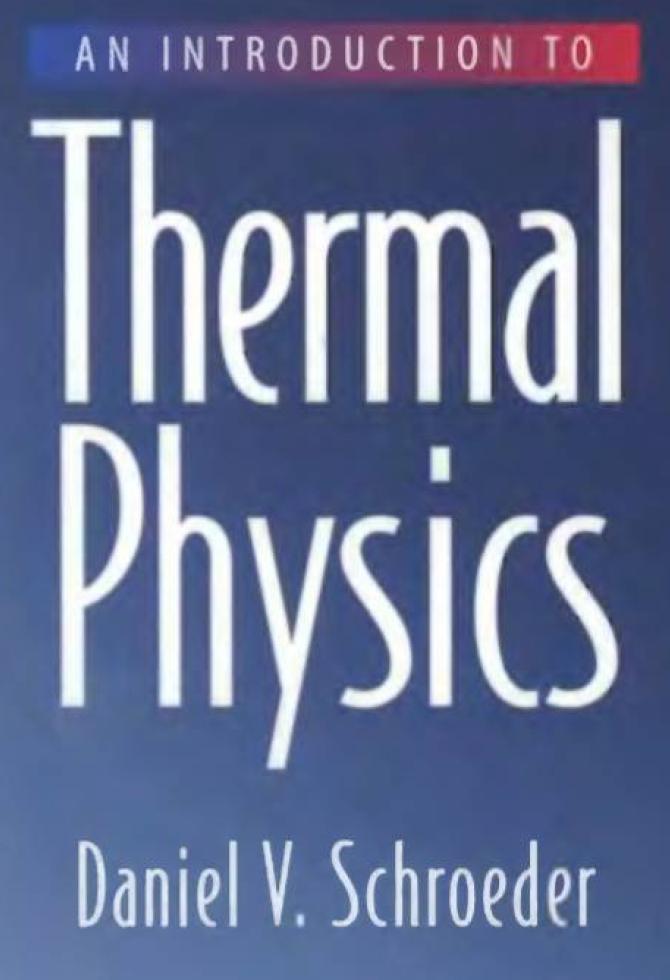
That’s part of page 61 from the book “An Introduction to Thermal Physics” (1999, Addison-Wesley) by Daniel Schroeder.
I like the author’s style. “Small numbers are small numbers like . . . Large numbers are much larger than small numbers . . . Very large numbers are even larger than large numbers . . . ”
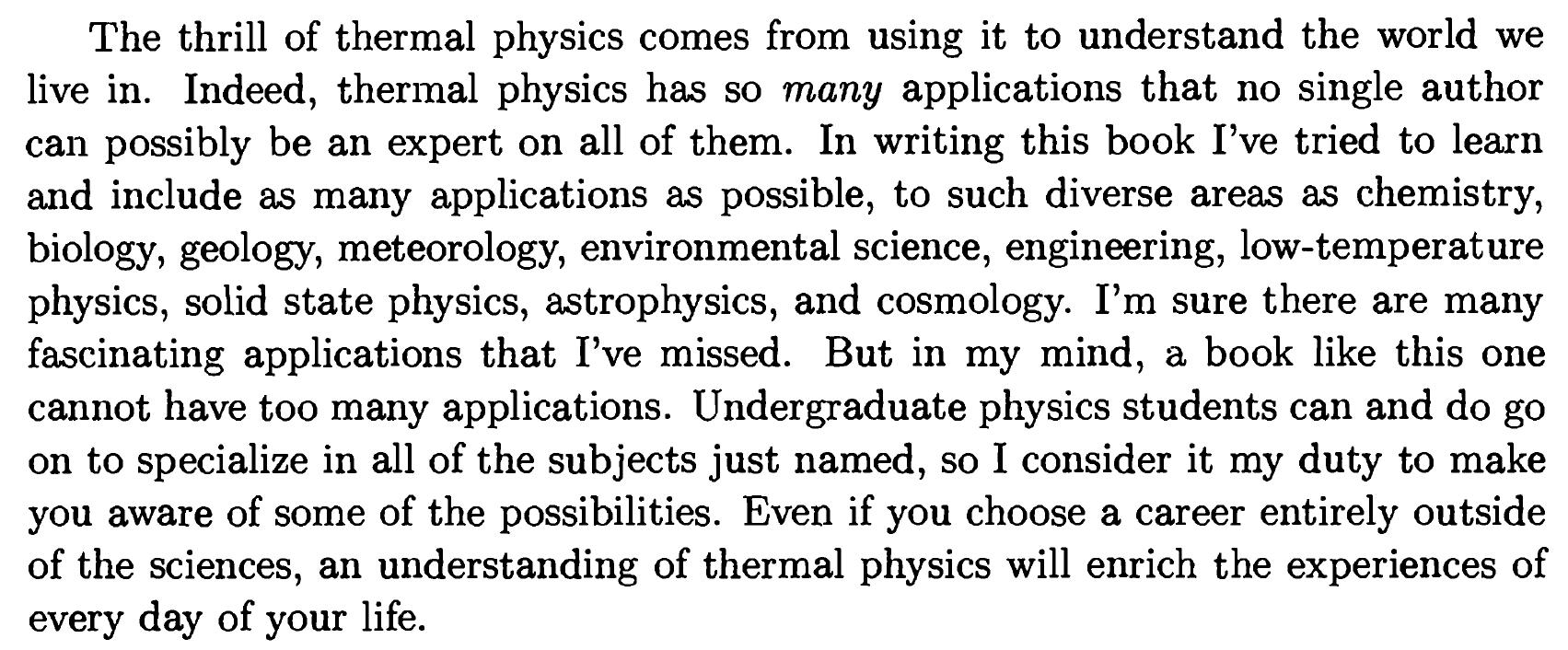
What’s thermal physics? Here’s a bit from the preface:
 The author writes that “an understanding of thermal physics will enrich the experiences of every day of your life.”
 All in all, I have brushed up on my understanding of thermal physics. I needed a bit of a refresher; the last time I’d formally studied it was my undergrad in engineering days.
Bonus quote: This is from Joseph Schumpeter (1883 – 1950):
The capitalist engine is first and last an engine of mass production which unavoidably also means production for the masses. . . . It is the cheap cloth, the cheap cotton and rayon fabric, boots, motorcars and so on that are the typical achievements of capitalist production, and not as a rule improvements that would mean much to the rich man. Queen Elizabeth owned silk stockings. The capitalist achievement does not typically consist in providing more silk stockings for queens but in bringing them within reach of factory girls.
Alright, time for an open thread. What’s on your mind or on your reading list?

 Atanu Dey : Life is a Random Draw
“I am easily distracted. If I see an interesting book, it immediately goes on my reading list. When comes time to get some work done, I decide to just dip into the pile of books just for a few minutes, and the next thing I know is that I’ve spent hours reading” — this is the answer to: “Why did you quit Engineering”.
LikeLike
Prashant:
Though you did not explicitly ask the question, I should address the question of why I “quit engineering.” First of all, though my undergraduate was in mechanical engineering, I was never employed as an engineer. I know what engineering is of course but never worked in the field. I moved immediately to computer science.
CS was a lot richer in terms of ideas. Engineering too has nice ideas but CS is vastly more idea rich. The courses on discrete maths, operating systems, networks, and formal grammars are busting with ideas. I found discrete maths a bit of a challenge. OS was delightful. I understood the fundamental algorithms. I did work in HP’s Computer Systems Division in Cupertino CA for many years but did not have anything to do with programming. I get bored easily and quit. So I ended up quitting not just engineering but CS too.
Then I realized that I was an economist. I realized that the ideas in economics really got me excited. Most people realize that they want to study econ in their teens; I got there in my thirties. Better late than never.
My current interest is in consciousness studies. I am persuaded that the “hard problem of consciousness” does not exist if one accepts the axiom that at consciousness is irreducible. At the foundation is consciousness and everything else is “constructed” from consciousness. That’s a version of panpsychism. It’s consistent with an advaita vedanta view of the world.
LikeLike
Do you have any ethical dilemma? Some ethical question which you have not figured out yet? Some critical question which has equally compelling arguments for/against and you keep switching between them?
LikeLike