“The Market is Ourselves”

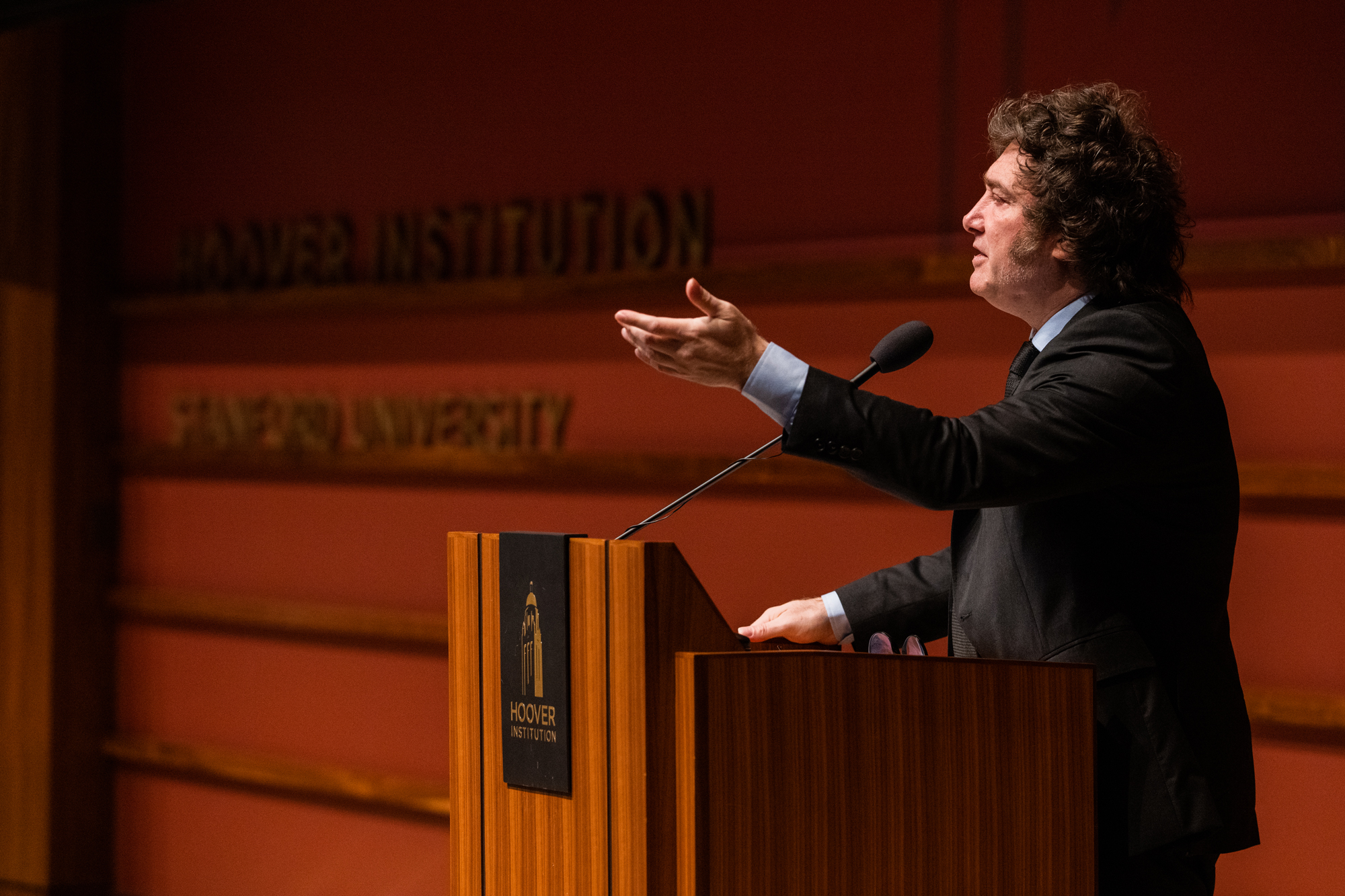
Javier Milei at the Hoover Institution

“All men dream, but not equally. Those who dream by night in the dusty recesses of their minds awake to find that it was vanity; but the dreamers of day are dangerous men. That they may act their dreams with open eyes to make it possible.”

I recalled that T. E. Lawrence (“Lawrence of Arabia”) quote on watching a recording of the talk Argentine President Javier Milei gave at the Hoover Institution in Stanford University on May 29th. He’s a dangerous man. He’s making his dream possible.

Argentina has been tremendously unlucky for over a century. It appears that its luck may be changing.

At the start of the 20th century, it was one of the wealthiest nations in the world, with a high standard of living comparable to many European countries. Then things went south. By 2001-2002, things had gone really bad. Continue reading ““The Market is Ourselves””

Albéniz and Satie

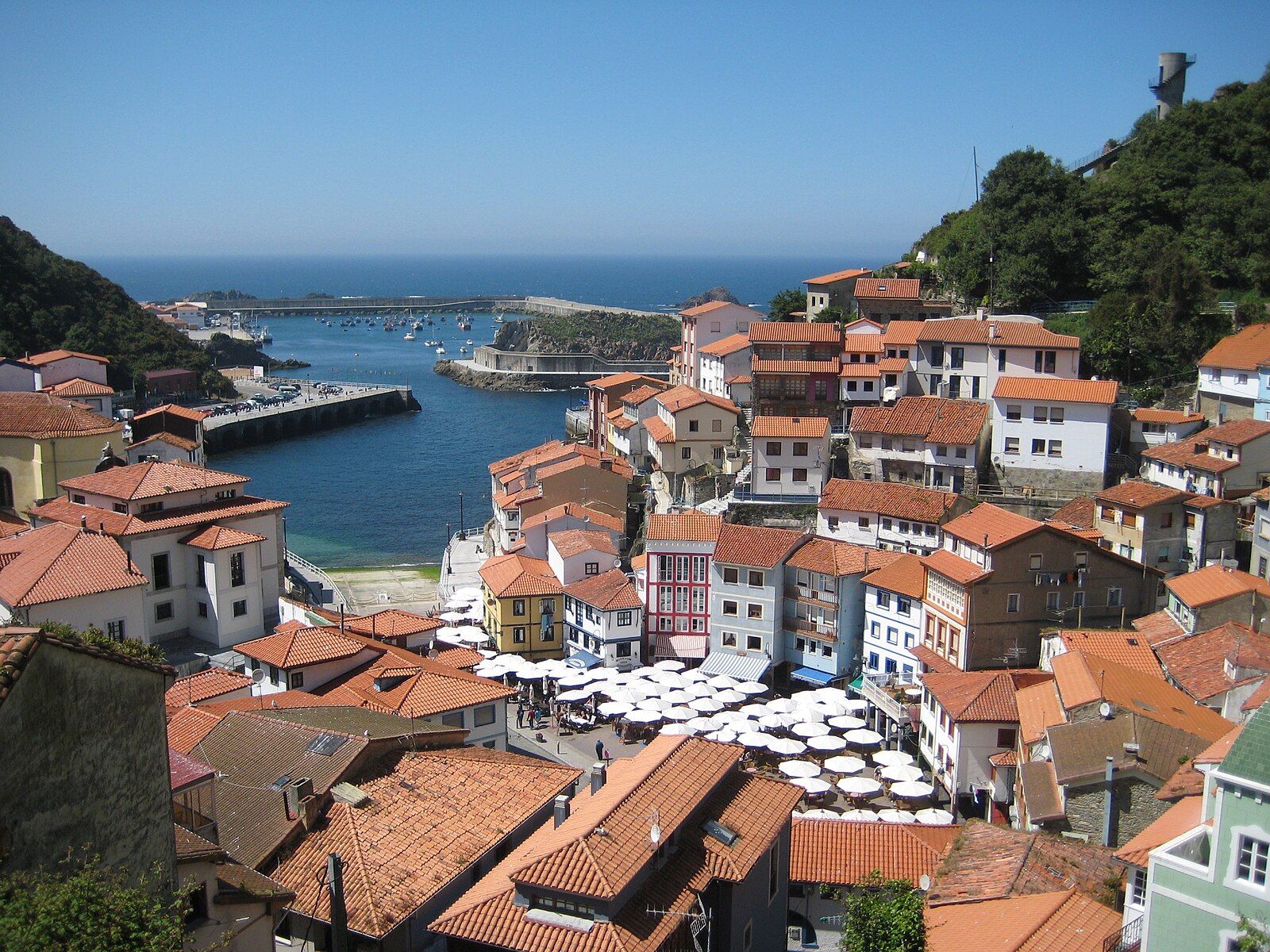
A village in Austrias. Credit – wikimedia commons – Markus Bernet

The Spanish or acoustic guitar and the piano are two favorite Western classical instruments. Here are two pieces: one on the guitar and the other on the piano.

First a composition by Isaac Albéniz (1860 – 1909), the Spanish virtuoso pianist and composer. He composed it for the piano but the piece is more popularly played on the guitar. It’s titled Asturias — after the Spanish region called Asturias. Continue reading “Albéniz and Satie”

The Problem of Economic Growth – Part 3

Most of the Founding Fathers of the American republic were seriously wary of “factions”—their term for what we call political parties—which they viewed as dangerous to the public interest.

Politics to them was a joint enterprise that the citizens undertook to seek out what was in the general interest, and after the appropriate deliberations of the various individuals were concluded and a consensus was arrived at, there was no room for different factions to pull in different directions.

For them, the political process was not about deciding winners and losers but about determining what served the common interests of all. If something is acknowledged to be in the common interest, there is no point in not pursuing it or opposing it.

With that, let’s continue on from the previous part of this essayContinue reading “The Problem of Economic Growth – Part 3”

A Tale of Two Road Accidents

Road accidents are an unfortunate fact of life. The best we as a society can do is to minimize the chances of an accident. And when the “accident” is due to gross negligence, then the criminal should be so severely punished that it deters others from being negligent.

I read about an accident in Pune in which two people on a bike were mowed down by a speeding car a couple of days ago. The car was a Porsche (pictured above), driven by an apparently drunk 17-year old. The victims were both 24 year old, Ashwini Koshta and Aneesh Awadhiya, from Jabalpur. They had studied engineering in Pune and were working at Johnson Controls as data analysts. Continue reading “A Tale of Two Road Accidents”

The Problem of Economic Growth – Part 2

I ended the previous part of this essay with:

The one factor that motivates the vast majority of people is self-interest. Self-interest is not a pathology because it’s a normal and unalterable aspect of human nature. It’s not a bug in human nature but is actually a feature. Indeed, self-interest broadly construed — enlightened self-interest — is what accounts for the advancement of civilization itself. People work hard to better the circumstances of themselves and those they care about, and in doing so advance the greater good even without intending to. This had been recognized two and a half centuries ago by Adam Smith and others.

Moving on —
Continue reading “The Problem of Economic Growth – Part 2”

John Muir

Yosemite Valley, CA (Source: Wikimedia Commons.)

I guess that most people, including the majority of Americans, don’t know who John Muir was. I consider him to be an American hero — a man who embodies those characteristics that make the United States the greatest nation on earth.

Born in Scotland in 1838, his family migrated to the the US when he was 11 years old. He grew up on a Wisconsin farm. Continue reading “John Muir”

The Problem of Economic Growth – Part 1

The economic growth of India since 1947 has been disappointingly low. Many countries—such as Hong Kong, South Korea, China—starting with comparable low levels of per capita GDP as India in the 1950s have over the last 75 years or so made phenomenal economic progress. Broadly speaking, those countries escaped poverty primarily because their political leaders were able to formulate and implement policies that promoted growth. In contrast to them, India stagnated. Continue reading “The Problem of Economic Growth – Part 1”