
 This day is one of the most important days of my life. But not because it’s National Relaxation Day in the US. Everyday is a relaxation day for me, anyway.
I know that Aug 15th is publicly celebrated across India as “Independence Day” but that, to my mind, is totally idiotic because Indians are not independent even 75 years after India became “independent” of colonial rule. Indians are still under colonial rule — the difference is that instead of foreign colonial rule, now the rule is by domestic colonial rulers. This is actually worse than what it was before 1947. At least the Britishers were foreigners. But now Indians oppress their own. They enslave their own. Pitiable. Continue reading “August 15th — National Relaxation Day”
 In a previous post, I laid out a method for
  Creativity, innovativeness, inventiveness — all fine and necessary characteristics of any prosperous and flourishing people. The US has heaps of that good stuff, evidently. But then those same characteristics are also necessary for being a good con artist. The US has also has had loads of them.

 So the
 Does a person have a right to property that was not justly acquired even if the consequences of holding that property promote the general welfare?
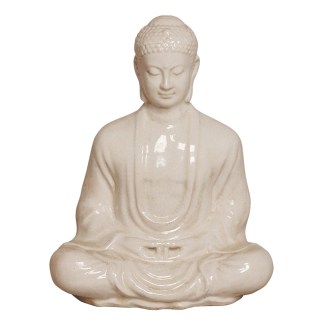 Once upon a time, a monk arrived at the outskirts of a village and settled down under a tree to rest for the night. Early the next morning he was woken up by a man. The man was from the village.
 My favorite American holiday is 4th of July, also known as Independence Day. It dates back to 1776 with the signing of the
