
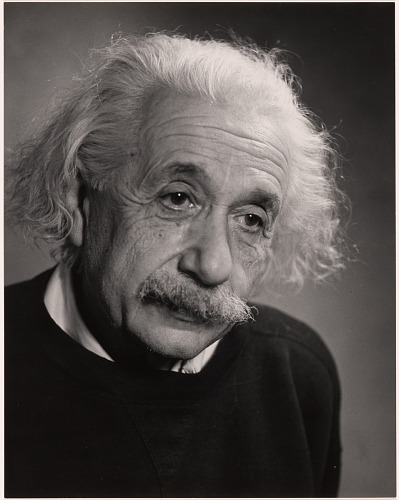
 Albert Einstein was born on this day, March 14th, in 1879. He will probably be remembered for as long as our present civilization persists. Like all the rest of us, he was a flawed human being. He too was made from the same crooked timber of humanity out of which no straight thing was ever made, as Immanuel Kant so memorably put it in 1784.
I feel a particular kinship to Einstein. Ludicrous though it surely appears, I believe that I am a reincarnation of Einstein. Note that “a reincarnation” — meaning that an atman reincarnates severally, not singularly.
Reincarnation is a dharmic concept that I believe. The idea that atman transmigrates from one birth to another is a core belief in the dharmas; it is anathema in the religions where all one has is one life that ends and then one has an eternity of heaven or hell. That makes no sense to me. But your mileage may vary. Continue reading “Happy Birthday, Albert Einstein”




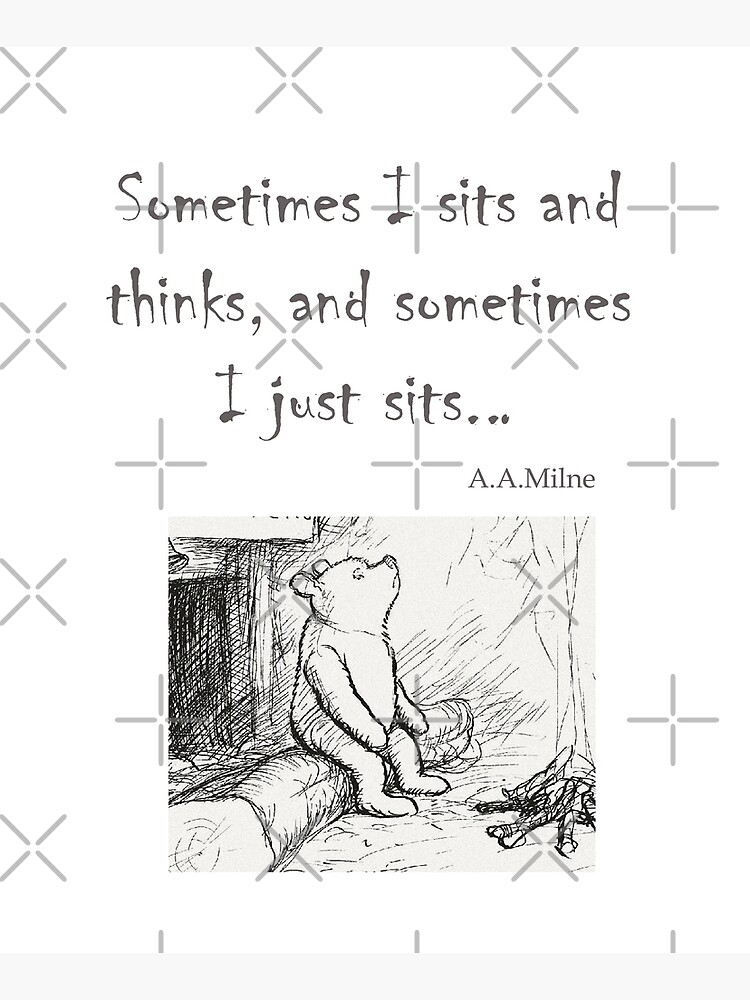 I recently came across a quote on the web that “many of the best investors in the world are really good at doing nothing for long periods of time.”
 I Grew Up Clueless
