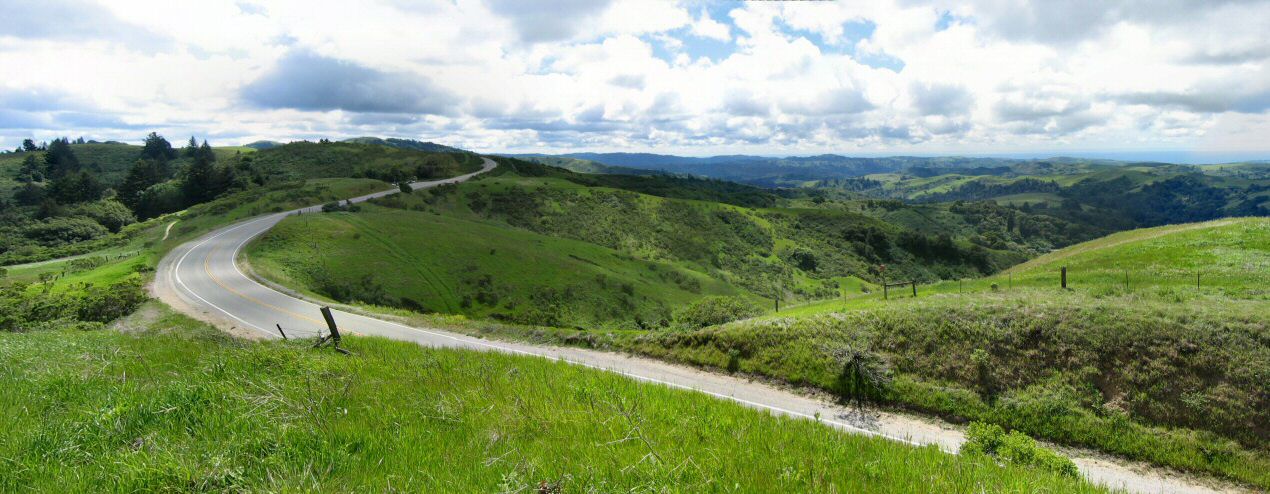
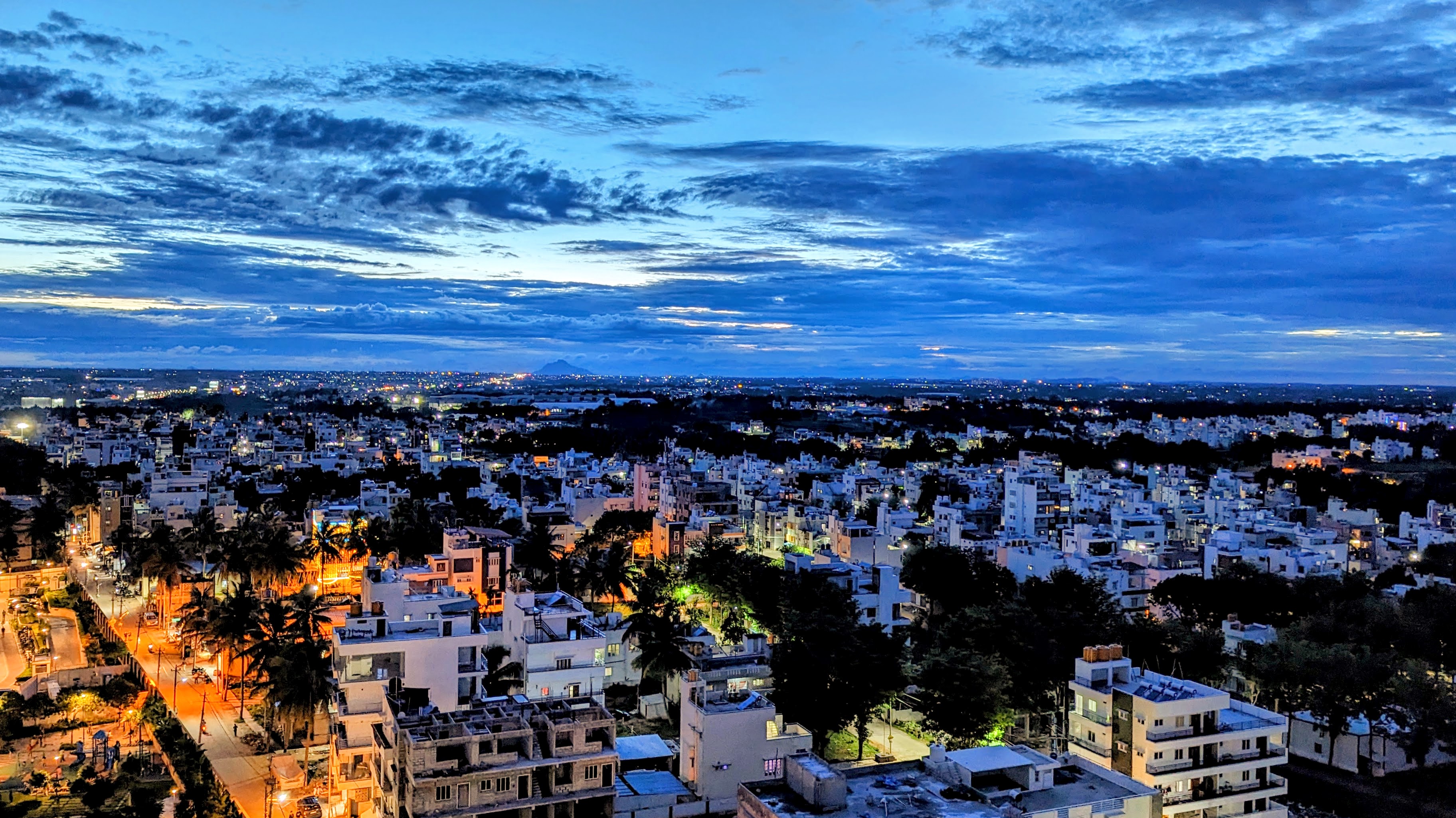
 The old saw that “you can take the boy out of the country but you cannot take the country out of the boy” holds true for me. Of course, country refers to a rural area and not to a city or a modern nation state. It acknowledges that it is hard to replace one’s mindset with another merely by moving to another setting.
You carry your conditioning with yourself. We love what we are familiar with, and the most familiar bits are those that we know from our childhood. I was born and brought up in Nagpur but I lived most of my adult life in the United States. For all that, I’m still that boy from Nagpur.
That meditation was motivated by what I was listening to today. I was enjoying Marathi abhangs written by the 15th century saint Eknath. They are devotional songs expressing love and devotion to Vitthala, another name of Bhagwan Vishnu. Though my mother tongue is Bengali, I understand Hindi and Marathi somewhat. I am richer for that. I left my home long ago but carry still within me the love of the music I grew up with. Continue reading “Majhe Maher Pandhari”


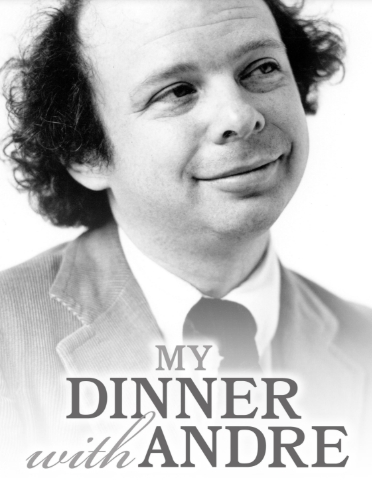 “My Dinner with Andre” is a 1981 American drama film set at a restaurant in Manhattan. It’s a dinner conversation between two old friends, Wallace Shawn and
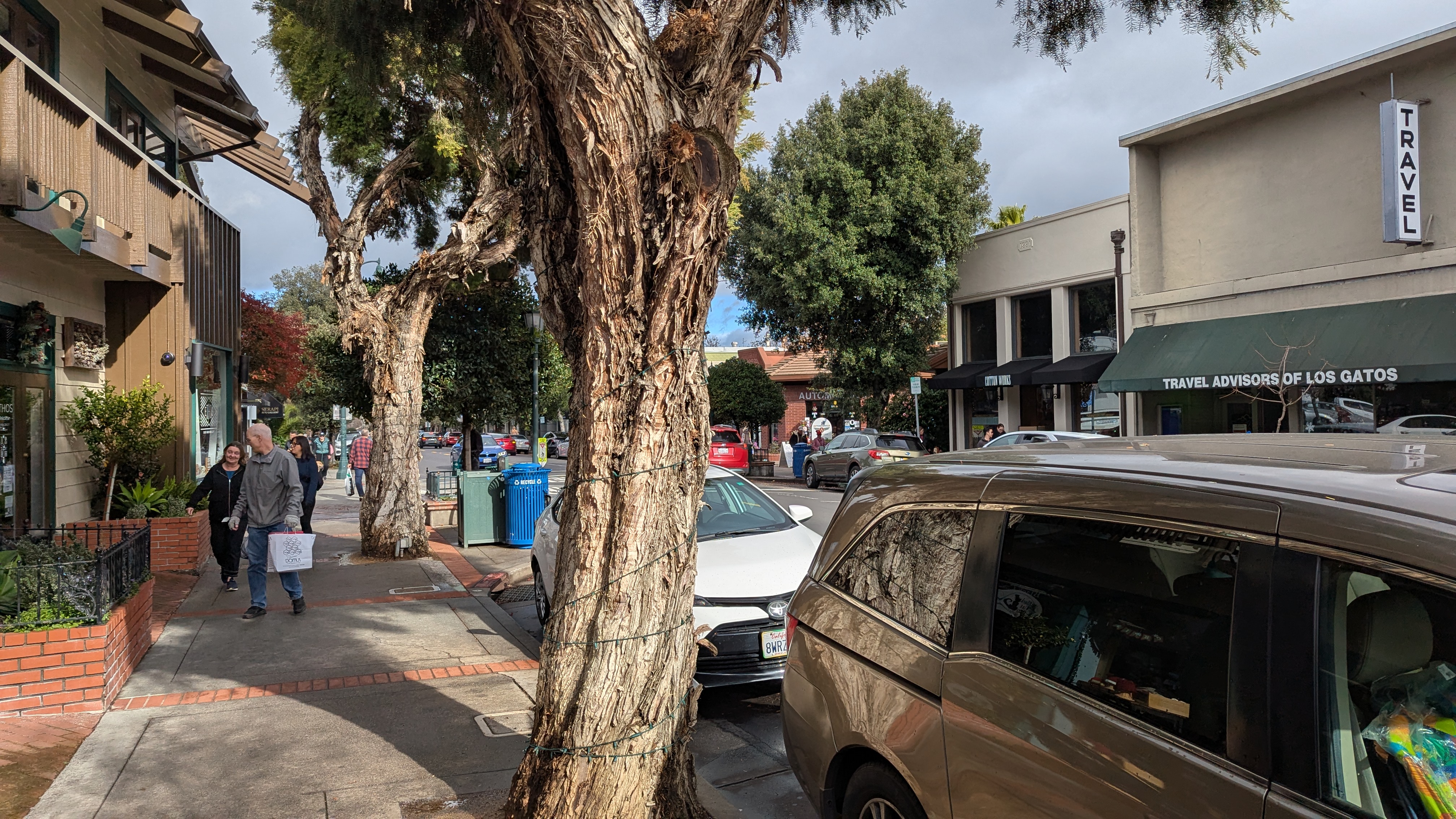


 Geographers know the lay of the land but economists do it with models, as the witticism goes.