
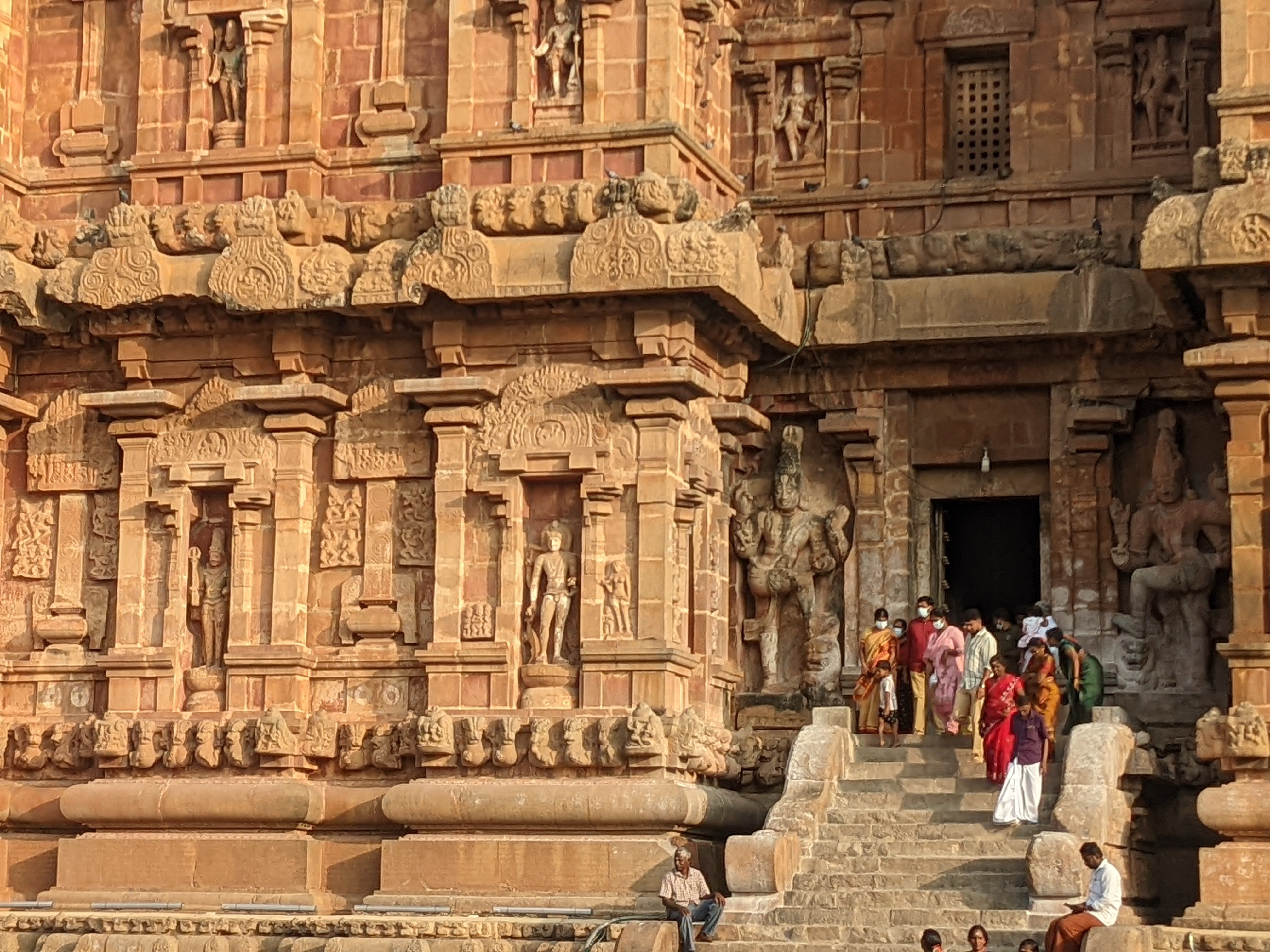
 The followers of the Abrahamic religions (Judaism, Christianity and Islam) routinely instruct their children in their religious texts and traditions. In contrast to that, children brought up in the dharmic traditions (Hindu, Buddha and Jain) are not taught the dharmas explicitly, not even the basics.
Whatever we learn is through a process of osmosis: gradual and unconscious assimilation of ideas that become increasingly more sophisticated and refined as one grows up. We don’t go to the equivalent of a Sunday school or a madrassa.
Hindus learn about dharma gradually. It begins with puja, the worship of various gods and goddesses at home, the occasional visit to a temple, and of course enthusiastic participation in the many dozens of festivals round the year. They are primarily cultural celebrations although they have a component of worship.
As children we are told stories, particularly from the two great Indian epics, the Ramayana and the Mahabharata. As we grow up, depending on individual interest, we learn more about them in bits and pieces. By the time we are young adults, we have a vague idea of our dharma but we are relaxed about it. We see nothing in it to get too agitated about. Our dharma is part of our lives but it doesn’t dominate every of our waking moments. Our attitude is to take it or leave it, but don’t get worked up about it. Continue reading “What is Vedanta?”
 Atanu Dey : Life is a Random Draw