
Bon anniversaire, Monsieur Bastiat

Bastiat. 1801-1850.

Frédéric Bastiat was born in this day 30th June in 1801. He died on 24th December 1850. He was a member of the French National Assembly. He developed the economic concept of opportunity cost and introduced what we call the “broken window” fallacy through a parable. He was justly described as “the most brilliant economic journalist who ever lived” by the 20th century economic theorist Joseph Schumpeter.

About Bastiat, the wiki says, “As an advocate of classical economics and the economics of Adam Smith, his views favored a free market and influenced the Austrian School. He is best known for his book The Law, where he argued that law must protect rights such as private property, not “plunder” others’ property.” Continue reading “Bon anniversaire, Monsieur Bastiat”

Urban Highways Suck

I love highways and I love cars. I grew up in a very middle class household in Nagpur, an unremarkable tier two Indian city. Understandably, I was fascinated by the interstate highway system and cars when I arrived in the US for post-graduate studies in computer science.
When I landed at New York’s JFK international airport one August afternoon so many decades ago, I could hardly believe that I was in New York city. After picking me up at JFK, my friends took me through Manhattan. Just the drive around town was fascinating. There were the Twin Towers of the World Trade Center, there was the Empire State Building, there we were on 42nd Street. Continue reading “Urban Highways Suck”

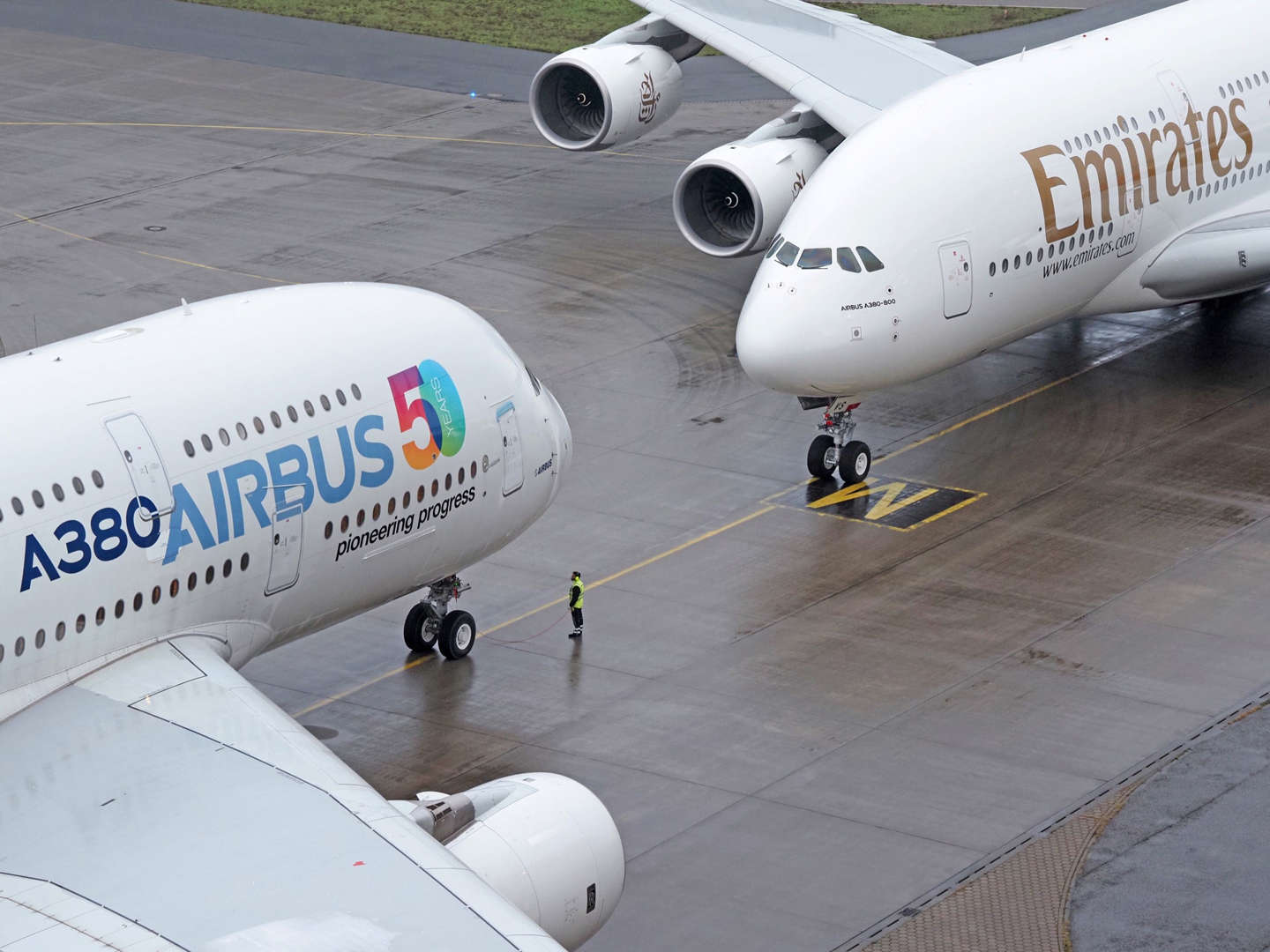
Air travel is incredibly safe

The first controlled flight of a heavier-than-air machine was achieved by the Wright brothers on Dec 17th, 1903 at Kitty Hawk, NC. That flight had one pilot, zero passengers, zero cabin crew, zero in-flight entertainment, reached an altitude of 10 feet above ground level and covered 120 feet in 10 seconds.

Now we routinely pack hundreds of people into large jetliners that fly between continents, measure distances covered in thousands of miles, altitude in tens of thousands of feet above sea level and time traveled in many hours. It is estimated that in 2021, commercial carriers flew over 7 billion miles (likely translating to trillions of passenger-miles given the passenger volume).

TL;DR
Commercial plane crashes are exceptionally rare, with a fatal accident rate of 0.39 per million flights in 2024. Globally, airlines operated 40.6 million flights, carried 5 billion passengers, and accumulated trillions of passenger-miles, with only 46 accidents and 251 fatalities. In the U.S., commercial aviation is even safer, with zero fatalities in many recent years and a fatality rate of 0.2 deaths per 10 billion passenger-miles. These figures underscore why flying remains the safest mode of long-distance travel, with odds of dying in a crash lower than winning a Powerball jackpot. Continue reading “Air travel is incredibly safe”

Are you smarter than Google?

Steven Landsburg is a brilliant economist and popularizer of economics. His blog –The Big Questions– is always instructive and delightful.  I recommend his books meant for the non-specialist enthusiastically. Here he explains why he started writing them.

Begin quote:

One day in 1991, I walked into a medium sized bookstore and counted over 80 titles on quantum physics and the history of the Universe. A few shelves over I found Richard Dawkins’s bestseller The Selfish Gene along with dozens of others explaining Darwinan evolution and the genetic code. Continue reading “Are you smarter than Google?”